Solar Installation in Islamabad: Your Step-by-Step 2026 Roadmap
A solar installation in Islamabad is one of the few home upgrades that raises your property value while lowering your monthly costs at the same time. The capital’s mix of planned housing sectors, generous rooftops, and strong sunshine makes it close to ideal for rooftop photovoltaics. Yet many residents stall at the same point: they know solar is worth it, but they do not know the actual sequence of steps from decision to switch-on. This roadmap fixes that.
Rather than another list of benefits, this guide walks through the real journey — survey, design, paperwork, mounting, and net metering — so you know exactly what to expect and where the delays usually hide.
Why a Solar Installation in Islamabad Pays Off
The case for going solar in the capital has never been stronger. Grid tariffs keep climbing, summer cooling loads keep growing, and rooftops in sectors like F, E, and DHA phases are large and mostly unshaded. Add net metering, which lets you sell surplus units back, and the payback period for a well-designed system now sits comfortably in the four-to-five-year range for most homes.
- Higher resale value: Buyers increasingly pay a premium for a home with an established solar system.
- Predictable bills: You fix most of your energy cost for two decades.
- Outage cushion: Hybrid setups keep essentials running when the grid drops.
- Clean local air: Every rooftop reduces reliance on fossil generation.
Step 1: Site Survey and Load Assessment
Everything starts with your electricity bills and your roof. A proper survey measures usable roof area, checks orientation and shading from trees or neighbouring walls, and reviews your past twelve months of consumption. South-facing roofs perform best, but east-west layouts still work well with the right panel count.
Skip this step and you risk an under- or over-sized system. A trustworthy provider will not quote until the survey is done. Reputable teams handling solar installation in Islamabad treat the survey as non-negotiable rather than a formality.
Step 2: System Design and Component Selection
With survey data in hand, the design phase matches hardware to your goals. The three big choices are panel type, inverter type, and whether to include storage.
| System type | Backup during outage | Upfront cost | Best for |
|---|---|---|---|
| On-grid | No | Lowest | Bill savings, fastest payback |
| Hybrid | Yes (critical loads) | Medium-high | Homes needing outage cover |
| Off-grid | Yes (full) | Highest | Sites with no grid access |
For most capital homes on a reliable connection, an on-grid or hybrid system is the sweet spot. The U.S. Environmental Protection Agency’s guidance on solar power use is a solid neutral reference on how grid-connected systems interact with utility supply.
Step 3: Net Metering Paperwork
This is where timelines stretch, so plan for it. Net metering approval involves an application to your distribution company, a technical inspection, and installation of a bi-directional meter. The process rewards patience and complete documentation.
- Submit the application with your system specifications and site details.
- Pass the technical inspection of your installed system.
- Sign the net-metering agreement.
- Receive and commission the bi-directional meter.
A good installer manages this paperwork for you. If your provider hands you a stack of forms and wishes you luck, that is a warning sign.
Step 4: Mounting and Commissioning
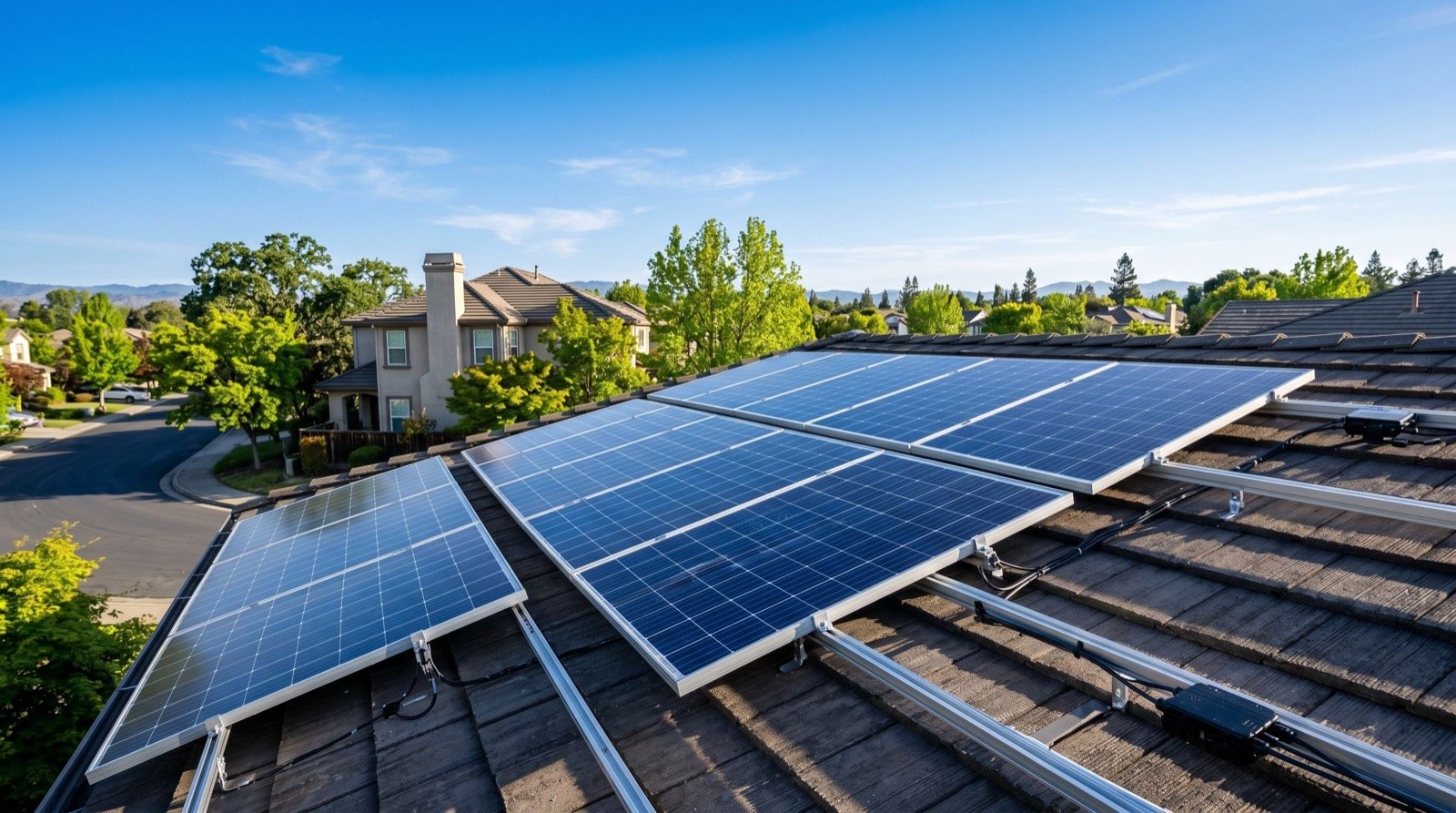
Physical installation is the fastest part — often one to three days for a home. Crews fix corrosion-resistant rails, secure the panels, run DC and AC cabling, mount the inverter in a shaded, ventilated spot, and connect everything with proper earthing. Commissioning then tests the system end to end before it goes live.
Quality here is invisible until something fails. Loose clamps, poor earthing, or undersized cable will not show on day one but will cause trouble in year three. This is why workmanship, not just panel brand, should drive your choice.
How Long Does the Whole Process Take?
From signed contract to a live, net-metered system, most Islamabad homes complete the journey in four to eight weeks. The physical install is quick; the net-metering approval and meter swap are what set the pace. Booking early in the season avoids the summer rush when installer calendars fill up.
If you are comparing vendors, treat responsiveness as data. Providers who answer questions clearly before you pay tend to stay responsive after. Choosing quality service providers — in solar as in any trade — usually means fewer surprises and faster resolutions.
Comparing Islamabad with Nearby Cities
The capital shares its solar fundamentals with surrounding regions, though roof styles and load patterns differ. Manufacturing-heavy cities lean toward larger commercial arrays, while the capital skews residential and hybrid. Homeowners with property or family interests elsewhere often coordinate a solar installation in Sialkot at the same time to standardise their equipment and warranties across locations.
Frequently Asked Questions
How much roof space does a solar installation in Islamabad need?
As a rough guide, each kilowatt of panels needs about 7–10 square metres of unshaded roof. A typical 5 kW home system therefore fits comfortably on most sector rooftops.
Do I need permission from the CDA or my society?
Rooftop solar generally does not require special construction permission, but net metering does require approval from your distribution company. Some housing societies have their own aesthetic guidelines, so it is worth confirming before install.
Will solar work during summer load-shedding?
On-grid systems shut off during an outage for safety, so they will not power your home when the grid is down. If uninterrupted supply matters, choose a hybrid system with battery backup.
What maintenance does a system need?
Very little. Occasional panel cleaning to remove dust and an annual inspection of connections and the inverter keep output strong for decades.
Ready to Start?
A solar installation in Islamabad is less complicated than it looks once you see it as a clear sequence: survey, design, net-metering paperwork, and commissioning. Get the survey right, insist on clean workmanship, and let your installer handle the utility paperwork. Do that in 2026 and you will move from your first quote to a live, bill-slashing system in under two months — with an asset that keeps rewarding you for the next twenty years.